
Geothermal Services in Boone, Audrain, Cole, and St. Louis County
Venture beyond the norm - switch to geothermal heating and cooling for your home.

Fully Insured
References Provided
Up-to-date Equipment
What Is A Geothermal System?
The most common setup for homes in America is a combination of a furnace and central air conditioning system. But just because it's common, it doesn't mean it's what works best for your home. If you're looking for something different, think about how a geothermal system would work for you.
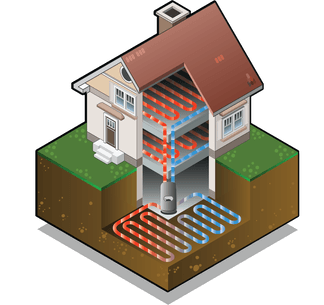
Geothermal systems are eco-friendly, long-lasting, and effective for the Missouri climate. They are essentially heat pumps that rely on the temperature of the earth instead of the outside air and are also known as ground source heat pumps.
By siphoning the thermal energy from the just a few feet below the surface of the ground, a geothermal system is able to warm your home. You may be thinking - won't the temperature of the ground fluctuate greatly throughout the year? The earth a few feet underground actually stays relatively consistent, so it can help lower heating and cooling costs by up to 70%.
Ways to Install Geothermal Systems
There are several different ways to install your geothermal system. The most common is a vertical closed loop system. This process is almost like drilling a water well. After your HVAC professional or utility company accesses your home, they will recommend the amount of tonnage you will need to heat and cool your home. B & H will then proceed to drill in the location that best suits your property. 150’ of drilling equals 1 ton of heating/cooling. We will put a bentonites plug every 45’ required by DNR to safeguard from contaminating the groundwater. We will then dig between the loops and connect them together and run them into the house and connect to the unit. We will flush the air out of the system.
Horizontal
Horizontal geothermal systems work the same as a vertical except the required amount of pipe is 200’=1 ton of heating and cooling. This operation is wonderful for existing homes with manicured lawns or if there is a lot of top soil and no rocks. We will have to dig a header ditch to connect loops together and will bore a header line to the house and then run the lines into the house, to the unit, and flush air from the system.
Open Loop
Open loop geothermal is another form of vertical ground source. This actually utilizes your water well for heating and cooling. You may have to upgrade your pump size to split the difference between your household use and your furnace needs. Each of these types of geothermal systems has its advantages and disadvantages, but with any of these systems you are sure to get an advanced-energy efficient system that is good for the environment for years to come.
Geothermal Service and Installation
Geothermal systems are a true investment. While heating and air conditioning systems can last you between 10-15 years, geothermal systems can last up to 25 years. This is why it's so important to hire a professional to install your new unit. If it isn't installed correctly, it will only lead to frustration and wasted energy in your home.
We know that trusting a company with such a big investment can be stressful. That's why we offer estimates and references. At our appointment, you can ask us any questions you have about geothermal systems and we will help guide you in the right direction. We have been drilling geothermal systems for almost 20 years and are happy to help you through the process!
FAQs